Comparing Cane Sugar vs Beet Sugar: Which to Choose?
When buying bulk sugar for food production, beverages, confectionery, or industrial use, one question always comes up: cane sugar or beet sugar?
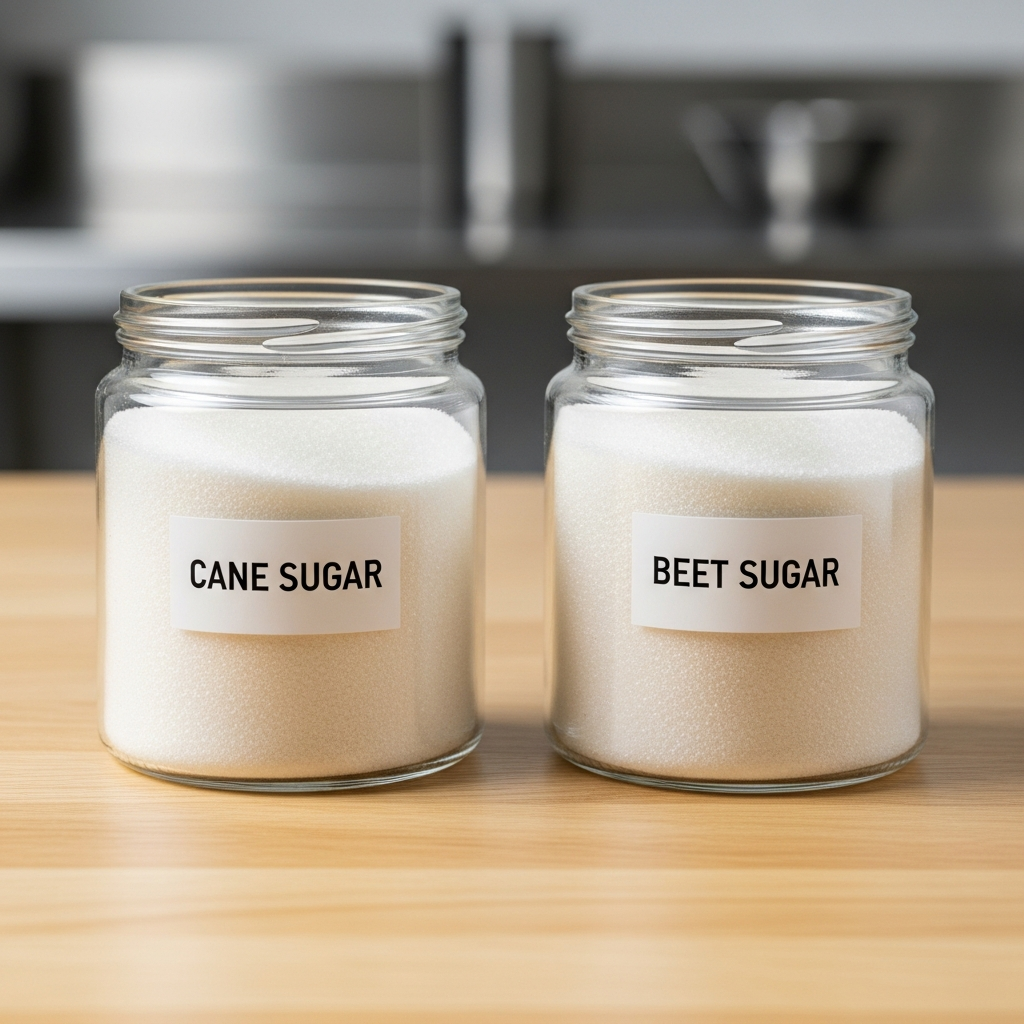
Both are high-purity sucrose. Both can meet strict ICUMSA standards. Yet they differ in taste, processing, sustainability, cost, and best applications.
Choosing incorrectly can affect flavor, texture, color, regulatory compliance, or even your bottom line.
This guide compares cane sugar vs beet sugar clearly and factually. You’ll learn key differences, advantages, disadvantages, and how to decide which is right for your business.
Let’s break it down.
What Is Cane Sugar?
Cane sugar comes from sugarcane, a tropical grass grown mainly in Brazil, India, Thailand, and parts of Africa.
After harvesting, cane is crushed to extract juice. The juice is boiled, crystallized, and refined (or left raw) to produce different grades.
Common forms on the market:
- Refined white cane sugar (ICUMSA 45, 100, 150)
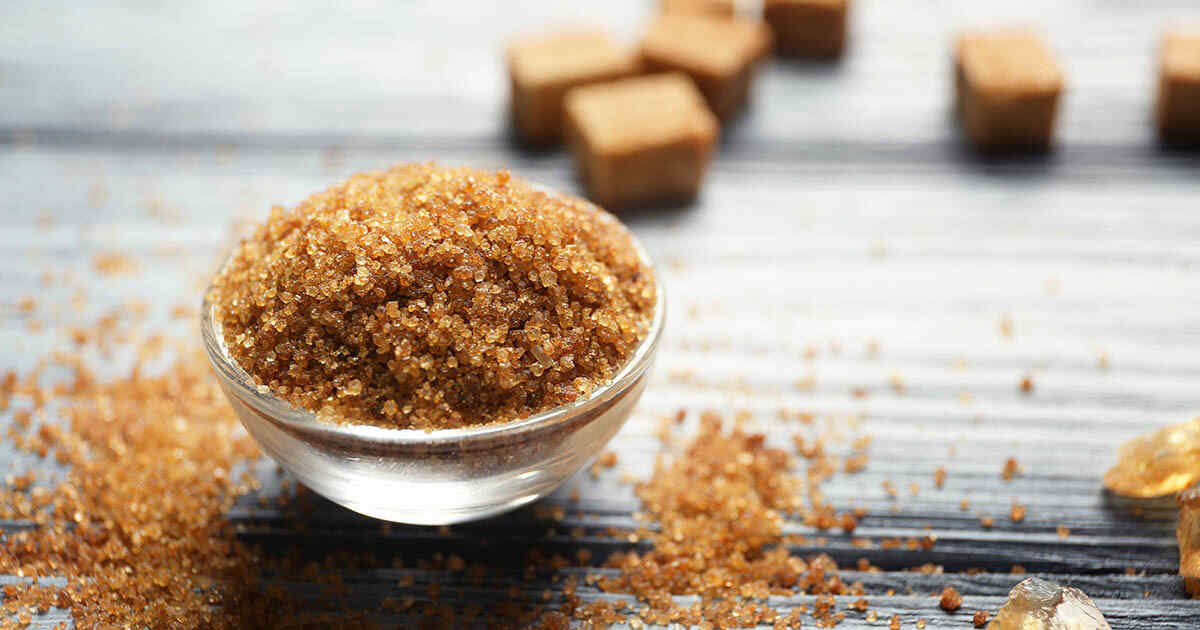
- Raw brown cane sugar (ICUMSA 600–1200)
- VHP (Very High Polarization) raw sugar
Cane sugar often carries a subtle molasses note, especially in less refined grades.
What Is Beet Sugar?
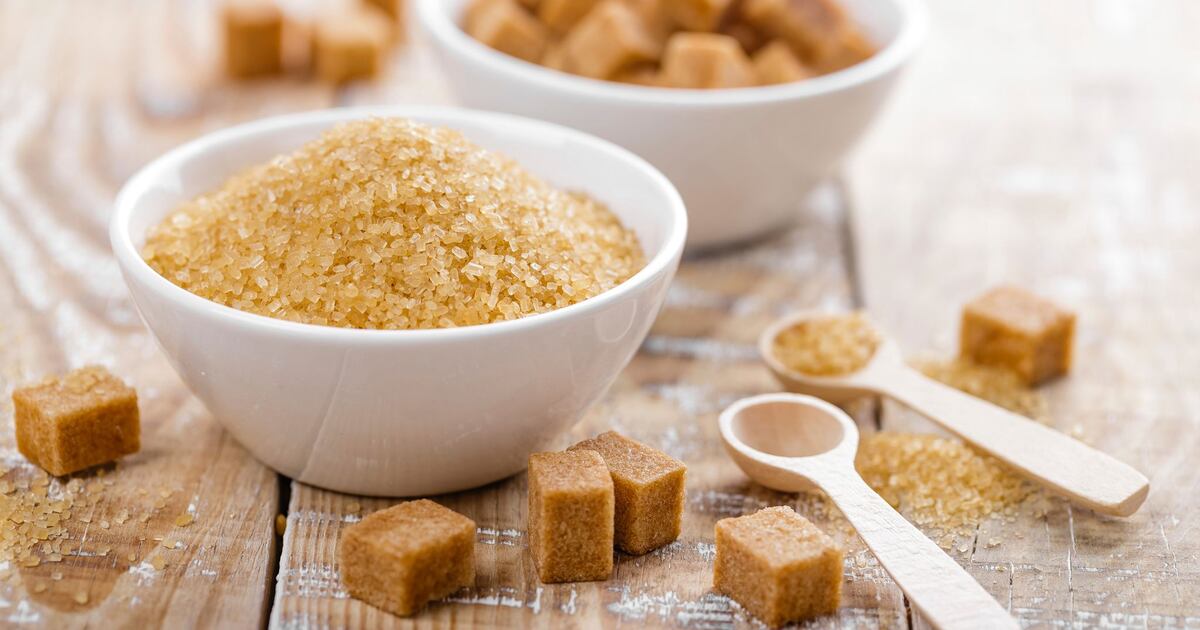
Beet sugar is extracted from sugar beets, a root vegetable grown in temperate climates (Europe, North America, Russia).
Beets are sliced, soaked in hot water to extract sucrose-rich juice, then purified and crystallized — similar to cane but without molasses.
Refined beet sugar is almost always white and neutral-tasting.
Key characteristics:
- Very low natural flavor
- Excellent crystallization properties
- Comparable ICUMSA color ratings to refined cane
Head-to-Head Comparison: Cane Sugar vs Beet Sugar
| Aspect | Cane Sugar | Beet Sugar | Winner / Notes |
|---|---|---|---|
| Taste | Subtle molasses/caramel notes (especially raw/refined) | Completely neutral | Beet – when flavor neutrality is critical |
| Color | ICUMSA 45–150 (refined) or 600+ (raw) | ICUMSA 45–150 equivalent (refined only) | Tie – both can achieve high whiteness |
| Sucrose Purity | 99.7–99.8% (refined) | 99.8%+ (refined) | Slight edge to beet |
| Crystallization | Good | Excellent (preferred in confectionery) | Beet |
| Cost | Usually lower (higher global production) | Often higher (smaller production areas) | Cane – more economical in bulk |
| Sustainability | Mixed (water-intensive, deforestation risk) | Generally better in temperate zones | Beet (in many regions) |
| Availability | Very high (tropical countries) | High in Europe/North America | Cane – more consistent global supply |
| Best for Pharma | Good (if low ICUMSA) | Preferred (neutral flavor) | Beet |
| Best for Beverages | Excellent (ICUMSA 45 common) | Good | Cane (industry standard) |
Key Differences in Applications
When to Choose Cane Sugar
- Soft drinks & beverages — ICUMSA 45 cane is the global standard.
- Confectionery with caramel notes — Raw or semi-refined cane adds depth.
- Cost-sensitive large-scale production — Cane is usually cheaper in bulk.
- Bioethanol & industrial fermentation — Raw cane (VHP, ICUMSA 600–1200) is ideal.
- Markets preferring traditional cane flavor — Certain ethnic foods, organic products.
When to Choose Beet Sugar
- Pharmaceuticals & tablets — Neutral taste is critical.
- High-end confectionery & coatings — Superior crystallization for smooth finish.
- Products where any flavor note is unwanted — Dairy blends, neutral syrups.
- Buyers in Europe/North America — Local beet supply reduces freight costs.
- Clean-label or “no cane” branding — Some consumers prefer beet origin.
Sustainability & Ethical Considerations
Cane sugar production can be water-intensive and linked to deforestation in some regions. However, many Brazilian mills now follow Bonsucro sustainability standards.
Beet sugar often has a smaller environmental footprint in temperate climates — less irrigation needed, shorter transport distances for European buyers.
Both can be ethically sourced. Look for:
- Bonsucro or Fairtrade certification
- No child labor policies
- Water stewardship programs
At The World Merchants, we prioritize certified, traceable suppliers for both cane and beet.
Learn about our ethical sourcing practices →
Bonsucro sustainability standards
Cost & Supply Chain Factors
Cane sugar benefits from larger global production volumes → usually lower price per ton.
Beet sugar production is more concentrated → sometimes higher cost but shorter supply chains for certain markets.
Freight costs matter. Buying beet sugar in Europe may be cheaper overall than importing cane.
Always request landed quotes (including shipping, duties, insurance) when comparing.
Explore our global logistics & delivery options →
Quick Decision Checklist
Ask yourself these questions:
- Does flavor neutrality matter? → Choose beet.
- Is ultra-low color essential (e.g., clear beverages)? → ICUMSA 45 cane is standard.
- Are you cost-sensitive on large volumes? → Cane often wins.
- Do you need superior crystallization (frostings, coatings)? → Beet excels.
- Is sustainability or local sourcing a priority? → Beet may have an edge in some regions.
- Do you need raw material for refining or ethanol? → Raw cane (VHP) is usually best.
Read our full guide on choosing the right sugar grade →
Final Thoughts
Cane sugar vs beet sugar — there is no universal winner.
It depends on your product, target market, budget, and priorities.
- Choose cane for cost-effective volume, traditional flavor notes, and global availability.
- Choose beet for flavor neutrality, excellent crystallization, and sometimes better regional sustainability.
At The World Merchants, we supply both — premium ICUMSA-grade cane sugar and high-quality refined beet sugar — with full traceability, certifications, and reliable logistics.
Unsure which is best for your application? Our team can help.
Contact us today for expert advice and a personalized quote.
Secure your supply with confidence.
FAQs – Cane Sugar vs Beet Sugar
1. What is the main difference between cane and beet sugar?
Answer: Cane sugar comes from sugarcane grown in tropical regions, while beet sugar is extracted from sugar beets grown in temperate climates. Both are high-purity sucrose but may differ slightly in taste and processing characteristics.
2. Which sugar is more neutral in taste?
Answer: Beet sugar is generally more neutral in flavor, making it ideal for pharmaceuticals, dairy products, and formulations where no residual taste is desired.
3. Is there a difference in ICUMSA quality between cane and beet sugar?
Answer: Both cane and beet sugar can meet standards set by the International Commission for Uniform Methods of Sugar Analysis, including low ICUMSA 45–150 grades for refined white sugar.
4. Which is more cost-effective for bulk buying?
Answer: Cane sugar is often more economical due to higher global production volumes, especially for large-scale food and beverage manufacturing.
5. Which sugar is better for sustainability?
Answer: It depends on the region. Beet sugar may have a lower environmental footprint in temperate areas, while sustainably certified cane sugar (e.g., Bonsucro-certified) can also meet strong ethical and environmental standards.