
Best Practices for Storing Bulk Commodities
Proper storage of bulk commodities directly affects product quality, shelf life, safety, and ultimately your bottom line. For food manufacturers, importers, and industrial buyers, mistakes in storage can lead to spoilage, clumping, infestation, rancidity, or even regulatory non-compliance.
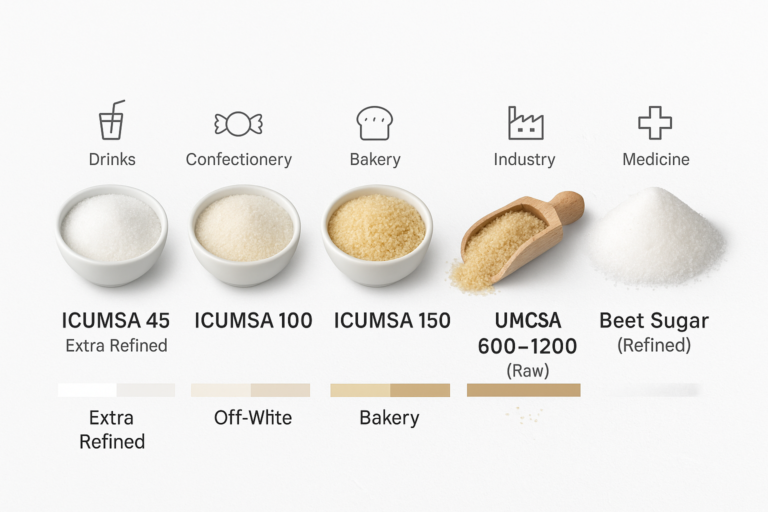
This guide outlines the best practices for storing bulk commodities — with a special focus on sugar (ICUMSA grades), dairy powders (skimmed milk powder, whey, infant formula base), butter, and cheese blocks.
Follow these steps to minimize risk and maintain consistent quality from arrival to production.
Control Temperature and Humidity
Temperature and relative humidity are the two most critical factors.
Recommended Ranges
| Commodity | Ideal Temperature | Ideal Relative Humidity | Max Acceptable Moisture |
|---|---|---|---|
| Refined & raw sugar (ICUMSA) | 15–25°C | 50–60% | ≤0.04–0.1% (in product) |
| Skimmed milk powder, whey | ≤25°C (ideally <20°C) | ≤50–55% | ≤4% |
| Full cream milk powder | ≤20°C | ≤50% | ≤4% |
| Butter & cheese blocks | −18°C (frozen) or 2–6°C (chilled) | Low (avoid condensation) | N/A |
| Infant formula base powder | ≤20°C | ≤45–50% | ≤3–4% |
Practical tips:
- Install hygrometers and data loggers in every storage zone.
- Use dehumidifiers in tropical or humid climates.
- Avoid temperature fluctuations — they cause condensation and caking.
- Keep commodities away from external walls, doors, and heat sources.
Protect Against Moisture and Condensation
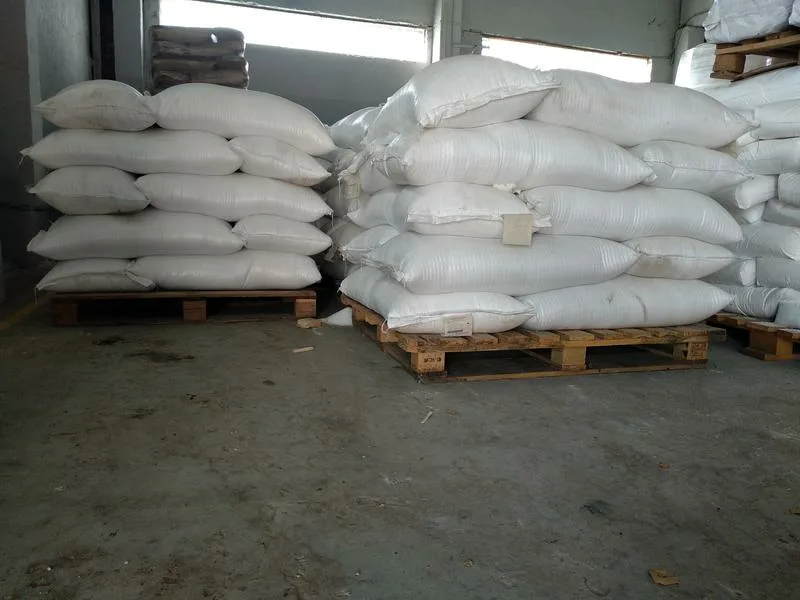
Moisture is the number-one enemy of bulk dry commodities.
Common problems:
- Sugar → caking and lumps
- Milk powders → clumping, off-flavors, microbial growth
- Butter/cheese → mold, rancidity
Prevention steps:
- Use moisture-barrier packaging (multi-wall bags with PE liner, big bags with inner liner).
- Raise pallets off the floor (at least 10–15 cm) using racking or dunnage.
- Maintain positive air pressure in storage rooms to reduce humid air ingress.
- Allow incoming containers to acclimatize before opening (avoid cold-chain shock).
- Seal silos and hoppers tightly and use desiccant breathers.
Implement FIFO (First In, First Out) Inventory Management
Older stock is more prone to quality degradation.
Best practice:
- Label every pallet with arrival date and batch number.
- Use warehouse management software or simple color-coding (red = oldest).
- Physically arrange stock so newest pallets go to the back.
- Rotate stock every time a new shipment arrives.
This simple rule prevents waste and ensures consistent product quality.
Pest Control & Hygiene
Pests (rodents, insects) and cross-contamination destroy commodities fast.
Essential measures:
- Keep storage area clean — sweep floors daily, no food waste.
- Use sealed doors and insect screens on vents.
- Install bait stations and sticky traps (outside production zones).
- Conduct regular pest audits (monthly minimum).
- Store commodities at least 50 cm from walls to allow inspection.
For dairy powders, strict hygiene prevents Salmonella and other pathogens.
FAO Guidelines on Warehouse Hygiene →
Packaging & Palletizing Best Practices
Proper packaging extends shelf life significantly.
Recommendations:
- Use food-grade, multi-layer bags with inner moisture barrier.
- Stack pallets to maximum safe height (usually 1.8–2.2 m).
- Avoid stacking different commodities on the same pallet.
- Use stretch wrap or straps to stabilize loads.
- Label clearly: product name, batch, expiry/use-by date, origin, storage conditions.
Damaged bags should be isolated immediately.
Monitoring & Record-Keeping
Proactive monitoring prevents small issues from becoming big losses.
Daily/weekly checks:
- Temperature and humidity logs
- Visual inspection for leaks, pests, or damage
- Spot-check product moisture (handheld meter)
- Review FIFO rotation
Keep digital records of:
- Arrival dates and batch numbers
- Storage conditions over time
- Any quality deviations or corrective actions
This documentation supports traceability and regulatory audits.
Discover our full range of bulk dairy and sugar products →
Cost Optimization Strategies
- Space Utilization: Maximize vertical space without overcrowding.
- Reducing Waste and Loss: Prevention costs less than replacement.
- Energy Efficiency : Use insulated structures and energy-efficient cooling systems.
Transportation and Handling Best Practices
- Loading and Unloading Procedures: Use proper equipment to prevent damage.
- Minimizing Product Damage: Avoid rough handling and overloading.
- Safe Equipment Usage: Train operators to use forklifts and conveyors safely.
Risk Management and Insurance
- Identifying Potential Risks: Weather, theft, fire, and contamination are common threats.
- Insurance Coverage: Protect your investment with comprehensive coverage.
- Emergency Preparedness: Have clear action plans for disasters.
Common Mistakes to Avoid in Bulk Storage
- Overcrowding Storage Areas: Too much stock restricts airflow.
- Ignoring Environmental Controls: Skipping humidity checks is risky.
- Poor Documentation: Bad records lead to costly confusion.
Special Considerations for Dairy Products
Dairy powders and butter require extra care:
- Milk powders — Store below 25°C, ideally <20°C. High humidity causes caking and Maillard browning.
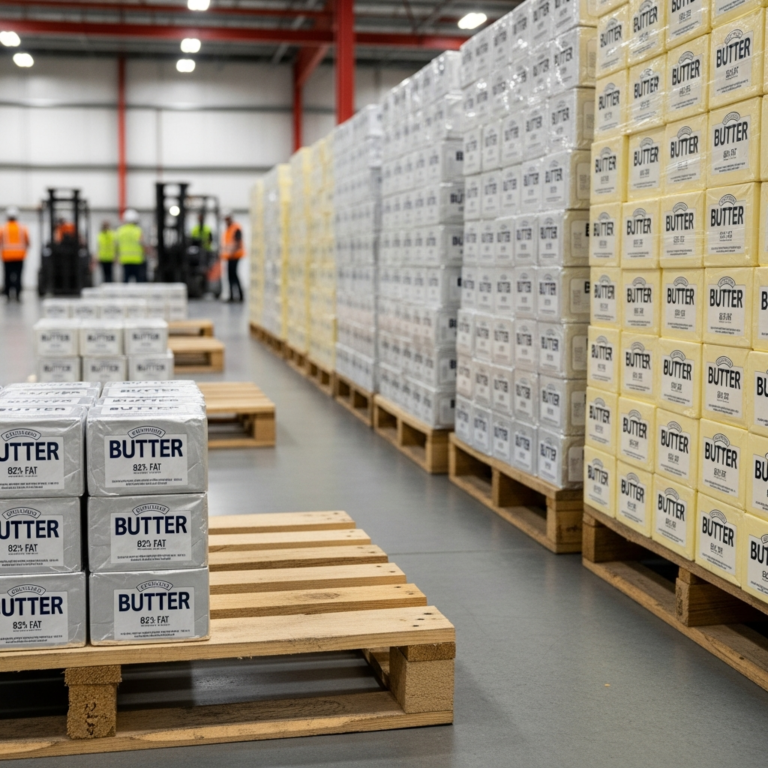
- Butter — Freeze at −18°C for long-term. Chilled storage (2–6°C) only short-term.
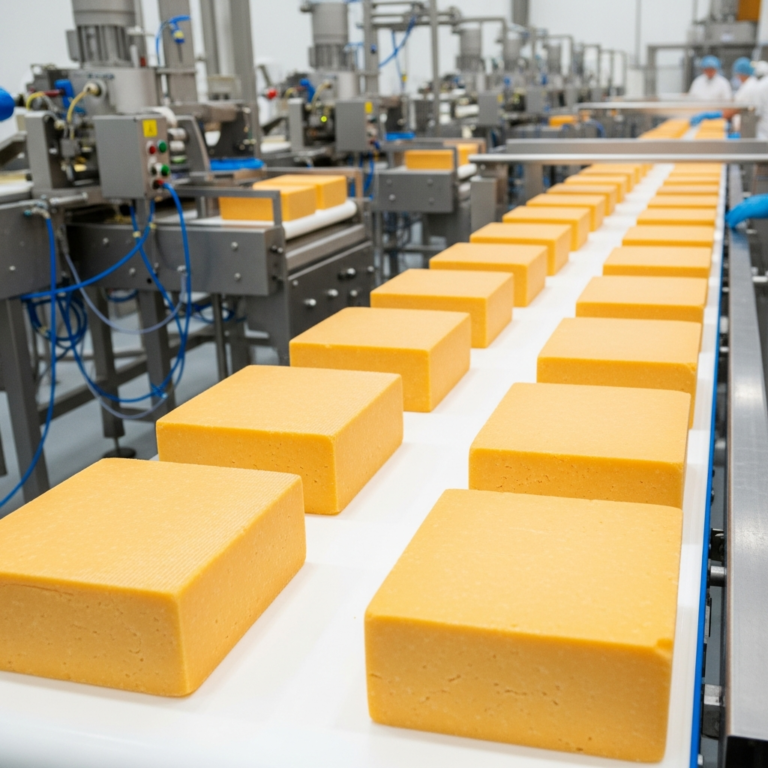
- Cheese blocks — Vacuum-sealed and temperature-controlled. Avoid strong odors in storage.
Use separate zones for dairy to prevent cross-flavor contamination.
Conclusion
Following these best practices for storing bulk commodities protects your investment and ensures consistent end-product quality.
Key takeaways:
- Control temperature and humidity rigorously.
- Prevent moisture ingress at every step.
- Enforce strict FIFO and hygiene.
- Monitor conditions and keep detailed records.
- Choose suppliers who understand storage needs.
At The World Merchants, we deliver commodities packaged and documented for long-term stability — from ICUMSA sugar to dairy powders, butter, and cheese.
Need reliable bulk supply with proper storage guidance?
Secure consistent quality & supply today. Contact Us for a Quote
Trusted global partner for ICUMSA sugar, dairy powders, butter & cheese.