Butter Buying Guide for B2B Food Industries
Butter remains a cornerstone ingredient in food manufacturing — from bakery and confectionery to sauces, ready meals, and premium spreads.
For B2B buyers, choosing the right butter means balancing quality, consistency, cost, shelf life, and regulatory compliance.
This butter buying guide helps procurement managers, food manufacturers, importers, and industrial users make informed decisions when sourcing bulk creamery butter.
We cover key types, specifications, applications, quality factors, packaging options, and how The World Merchants delivers reliable supply.
Types of Butter Used in B2B Food Production
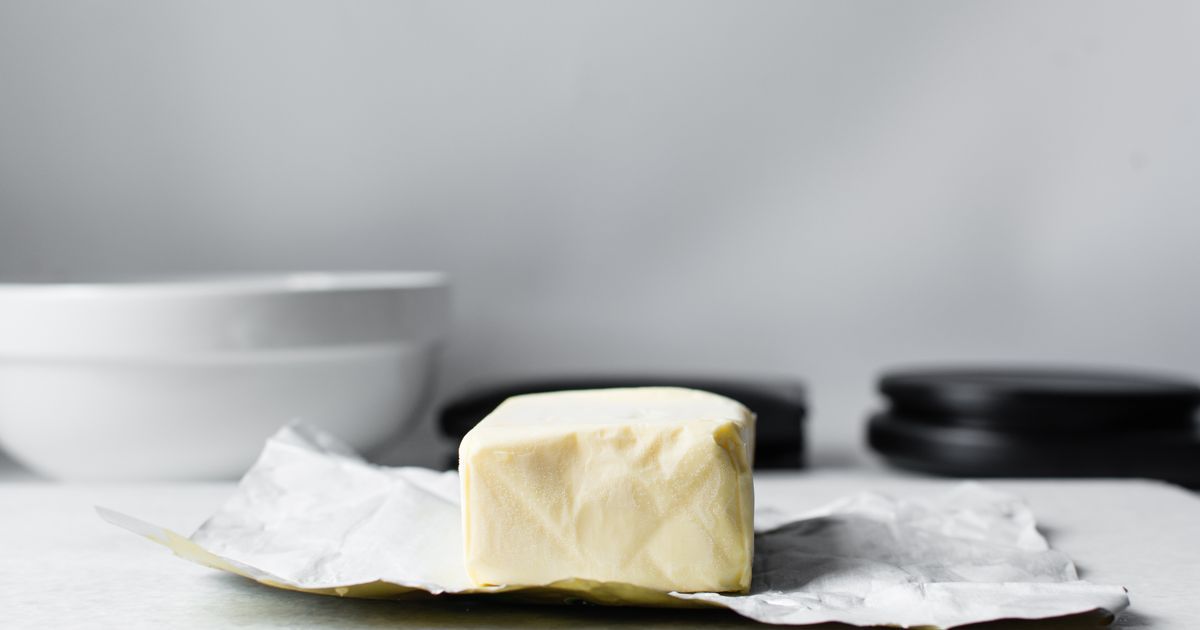
Most industrial buyers choose between these main categories:
- Unsalted Butter
Preferred when precise salt control is needed (bakery, confectionery, sauces). - Salted Butter
Contains 1.5–2% salt. Popular in spreads, ready meals, and some baked goods. - Cultured / Lactic Butter
Fermented for richer, tangy flavor. High-end bakery, pastries, and premium products. - Anhydrous Milk Fat (AMF) / Butter Oil
Nearly 100% fat, no water or solids. Used in chocolate, frying, and long-shelf-life applications. - Spreadable / Blended Butter
Mixed with vegetable oils for easier spreading. Common in retail and food service.
For most manufacturing, unsalted creamery butter (82% fat minimum) remains the workhorse.
Key Specifications to Check When Buying Butter
Always review these parameters before placing bulk orders:
| Parameter | Typical Specification | Why It Matters |
|---|---|---|
| Milkfat Content | ≥82% (EU standard) | Legal & functional minimum |
| Moisture | ≤16% | Shelf life & texture |
| Salt (salted only) | 1.5–2.0% | Taste consistency |
| Free Fatty Acids (FFA) | ≤0.3% | Indicates freshness & rancidity risk |
| Peroxide Value | ≤0.5 meq O₂/kg | Measures oxidation / shelf stability |
| Microbiological | <10,000 CFU/g total count | Food safety compliance |
| Melting Point | 32–35°C | Spreadability & mouthfeel |
| Origin | EU, New Zealand, USA, etc. | Regulatory & flavor profile |
Request full Certificate of Analysis (COA) and third-party lab reports with every shipment.
Butter Grades & International Standards
Industrial buyers often reference regional standards:
-
EU Regulation (≥82% milkfat minimum)
-
United States Department of Agriculture (USDA Grade AA / A / B)
-
New Zealand export standards
-
Codex international milkfat guidelines
Compliance ensures smooth customs clearance and import approval.
Shelf Life & Storage Stability
Shelf life depends on fat content, salt level, and storage temperature.
| Product Type | Frozen (-18°C) | Chilled (2–6°C) |
|---|---|---|
| Unsalted Butter | 18–24 months | 3–4 months |
| Salted Butter | Up to 24 months | 4–6 months |
| AMF | 24+ months | 6–9 months |
Storage Best Practices:
-
Maintain continuous cold chain
-
Avoid temperature fluctuations
-
Use oxygen-barrier packaging
-
Store away from strong odors
Top Applications in B2B Food Industries
Butter plays a critical role in many product categories:
- Bakery & Pastry
Laminated doughs (croissants, Danish), shortbread, cakes, frostings. Provides richness, flakiness, and flavor. - Confectionery & Chocolate
Fillings, ganaches, pralines, toffees. High-quality butter improves smoothness and mouthfeel. - Sauces, Ready Meals & Culinary
Beurre blanc, hollandaise, pan sauces, mashed potatoes. Adds emulsification and taste depth. - Ice Cream & Dairy Desserts
Premium mixes use butterfat for creamy texture. - Industrial Frying & Blending
Anhydrous milk fat (AMF) for high-heat stability and flavor.
Explore our full dairy product range →
Salted vs Unsalted – Quick Decision Guide
| Requirement | Choose Unsalted Butter | Choose Salted Butter |
|---|---|---|
| Precise salt control | Yes | No |
| Bakery & confectionery | Preferred | Sometimes used |
| Sauces & culinary applications | Usually preferred | Possible |
| Retail spreads | No | Yes |
| Cost savings | Similar | Slightly cheaper |
Most B2B manufacturers prefer unsalted butter for formulation flexibility.
Quality & Regulatory Factors to Consider
When sourcing bulk butter:
- Fat content — EU standard ≥82%. Higher-fat (84–85%) options available for premium lines.
- Heat treatment — Sweet cream (fresh) vs lactic (cultured).
- Certifications — ISO 22000, HACCP, BRCGS, organic if required.
- Microbiological standards — Low total plate count, absence of pathogens.
- Rancidity control — Low peroxide & FFA values.
- Origin & sustainability — EU/New Zealand often preferred for traceability and clean label.
Always request recent COA and third-party audit reports.
Learn how we ensure quality in commodity trading →
Codex Alimentarius – Milkfat Products
Pricing Factors in Global Butter Trade
Bulk butter prices fluctuate based on:
-
Global milk supply
-
Seasonal dairy production
-
EU & New Zealand export volumes
-
Energy costs
-
Freight & cold chain logistics
-
Currency exchange rates
-
Organic vs conventional production
-
Higher fat variants (84–85%)
Long-term supply contracts can help stabilize procurement costs.
Sustainability & Compliance Considerations
Modern buyers increasingly evaluate:
-
Grass-fed sourcing programs
-
Animal welfare standards
-
Carbon footprint transparency
-
Organic certification
-
Eco-friendly packaging
-
Traceable supply chains
EU and New Zealand origins are often preferred for sustainability reporting.
Packaging & Bulk Supply Options
Common formats for B2B buyers:
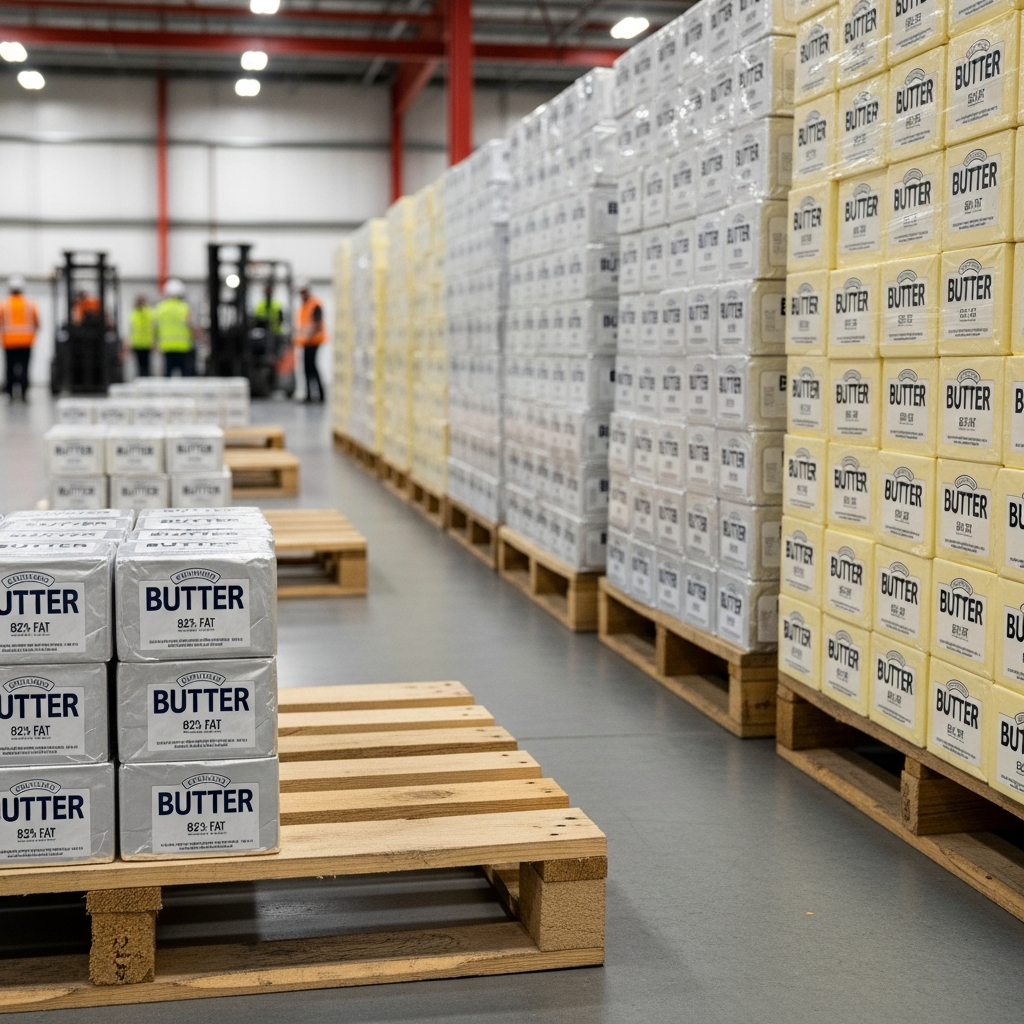
- 25 kg blocks (foil-wrapped or boxed)
- 200–250 g portions for food service
- 1 MT totes or drums for AMF
- Custom formats & private labeling
Storage recommendations:
- Keep frozen (−18°C) for long-term
- Refrigerated (2–6°C) for short-term use
- Avoid temperature fluctuations
Why The World Merchants for Butter Supply?
We deliver consistent, high-quality creamery butter tailored to manufacturing needs:
- Sourced from certified EU and global producers
- Full traceability & COA with every shipment
- ISO & HACCP certified supply chain
- Flexible volumes: container loads to multi-ton contracts
- Competitive pricing with reliable logistics
- Temperature-controlled shipping & insurance
View our dairy products including butter →
Conclusion
Butter remains essential in B2B food production — providing flavor, texture, and functionality across bakery, confectionery, sauces, and more.
Choosing the right type (salted/unsalted, sweet cream/lactic), fat content, and supplier directly impacts your product quality and cost.
At The World Merchants, we make bulk butter sourcing simple — premium creamery butter, full documentation, ethical origins, and dependable global delivery.
Ready to secure consistent supply for your production?
Contact us today for current pricing, samples, and a tailored quote.
Keep your formulations perfect — with butter you can trust.
FAQs – Butter Buying Guide
1. What is the minimum fat content for industrial butter?
Answer: Under EU and Codex standards, minimum milkfat must be ≥82%.
2. Is unsalted butter better for manufacturing?
Answer: Yes. It allows precise salt control and formulation flexibility.
3. What is the difference between butter and AMF?
Answer: AMF contains almost 100% milkfat with no water or milk solids, offering longer shelf life.
4. How is bulk butter transported internationally?
Answer: Via refrigerated containers at −18°C to maintain product integrity.
5. What documents should I request from suppliers?
Answer: COA, microbiological reports, third-party testing, HACCP, ISO certificates.