Top Applications for Skimmed Milk Powder in Manufacturing
Skimmed milk powder is one of the most versatile dairy ingredients in global food production.
Low in fat, high in protein, long shelf life, and easy to store — it fits perfectly into modern manufacturing.
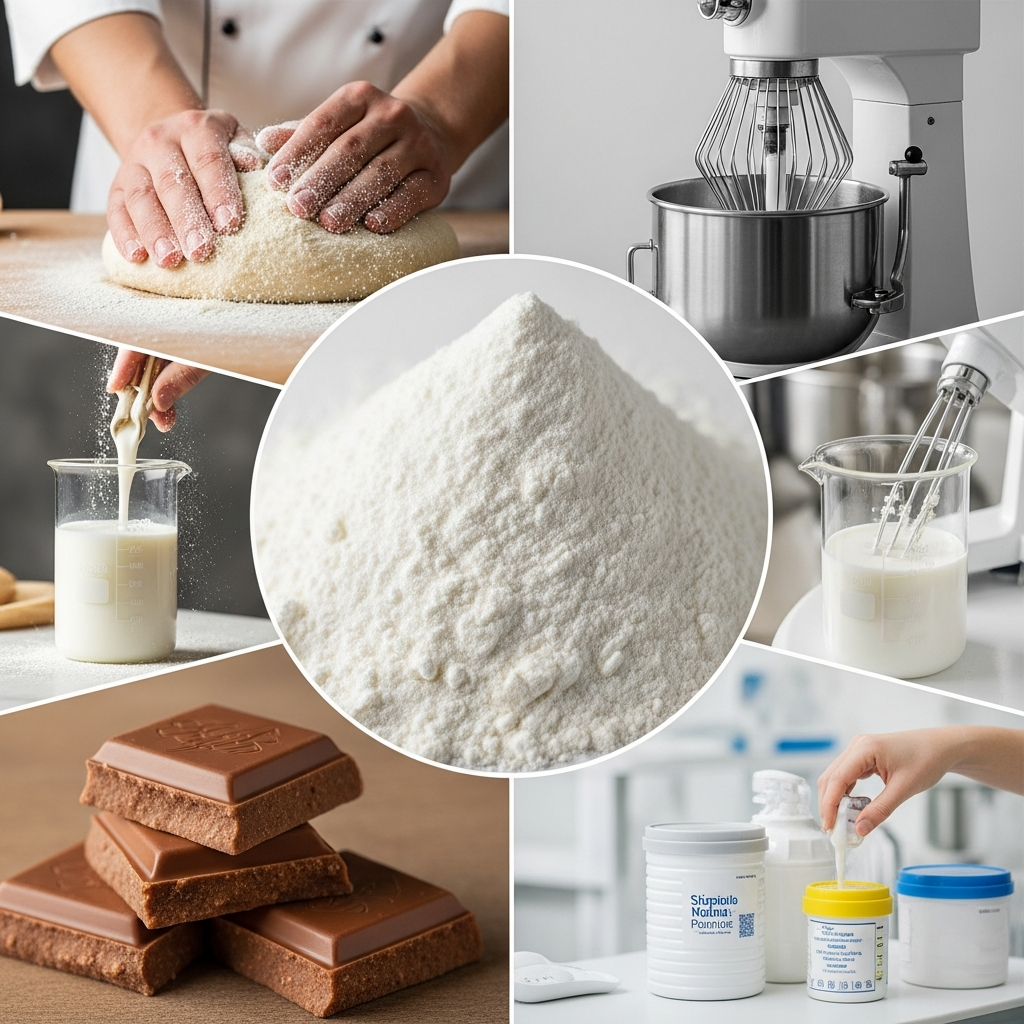
From bakery and confectionery to nutritional products and industrial blends, skimmed milk powder solves many formulation challenges.
This guide shows the top applications for skimmed milk powder in manufacturing. You’ll see why it’s a staple for food & beverage producers, what specs matter most, and how to source it reliably.
Let’s explore the main uses.
What Is Skimmed Milk Powder?
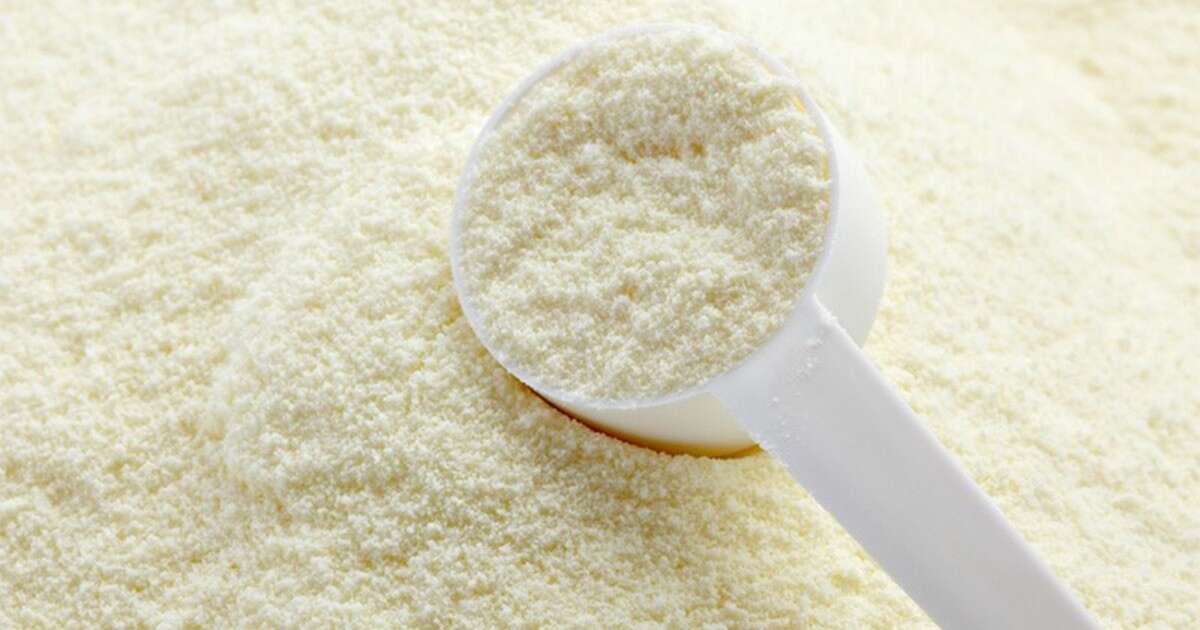
Skimmed milk powder (also called non-fat dry milk or NFDM) is made by removing fat and water from fresh skim milk.
The milk is pasteurized, concentrated, and spray-dried into a fine, free-flowing powder.
Key characteristics:
- Fat content: ≤1.5% (usually 0.8–1.2%)
- Protein: 34–37%
- Lactose: ~50–52%
- Moisture: ≤4%
- Shelf life: 18–24 months in cool, dry storage
Because it’s low-fat and stable, skimmed milk powder is ideal for cost-effective, long-lasting dairy supply chains.
[Placeholder image: Close-up of skimmed milk powder in a scoop – alt: “Skimmed milk powder texture and appearance for manufacturing”]
1. Bakery & Pastry Products
Skimmed milk powder improves dough strength, browning, and shelf life.
Common uses:
- Bread, rolls, buns – better crumb structure and volume
- Biscuits & cookies – richer flavor, improved texture
- Cakes & muffins – enhanced tenderness and moisture retention
- Croissants & laminated doughs – better layering and rise
Benefits:
- Increases protein content → stronger gluten network
- Promotes Maillard browning → attractive golden color
- Extends freshness → reduces staling
Many large bakeries use 2–6% skimmed milk powder in formulas.
Explore our dairy product range →
2. Confectionery & Chocolate
Skimmed milk powder is essential in milk chocolate, toffees, caramels, and compound coatings.
Typical applications:
- Milk chocolate & white chocolate – provides creamy mouthfeel
- Fudge, caramel, nougat – controls crystallization, adds body
- Powdered drink mixes – instant cocoa, malted beverages
- Chewing gum & hard candy fillings – improves texture
Benefits:
- Delivers milk solids without adding fat
- Enhances flavor release
- Improves emulsification and stability
Low-heat skimmed milk powder is often preferred to preserve flavor.
3. Dairy Reconstitution & Beverages
Many manufacturers reconstitute skimmed milk powder to create liquid milk for further processing.
Common uses:
- Recombined UHT milk
- Flavored milk drinks
- Yogurt & fermented products base
- Ice cream mix
- Nutritional shakes & meal replacements
Benefits:
- Year-round consistent supply
- Lower transport cost vs. liquid milk
- Adjustable solids content for different recipes
Fortified versions add vitamins A & D for retail milk.
4. Infant Formula & Nutritional Products
Skimmed milk powder forms the base of many infant formulas, follow-on milks, and adult nutritionals.
Key roles:
- Primary protein and lactose source
- Adjustable fat/protein ratio during blending
- Fortified with vitamins, minerals, DHA/ARA
Benefits:
- Stable, long shelf life
- Easy to blend with oils, prebiotics, probiotics
- Meets strict microbiological standards
Manufacturers demand low-heat or medium-heat powder for better solubility and digestibility.
See our infant formula base powder →
5. Industrial & Non-Food Uses
Beyond food, skimmed milk powder appears in:
- Animal feed – high-protein supplement for livestock
- Cosmetics – moisturizing agent in creams and lotions
- Pharmaceuticals – binder and filler in tablets
- Fermentation media – nutrient source for cultures
Benefits:
- Cost-effective protein source
- Natural and clean-label appeal
Key Specifications to Look For
When sourcing skimmed milk powder for manufacturing, check these specs:
| Parameter | Typical Range | Why It Matters |
|---|---|---|
| Fat | ≤1.5% | Keeps product low-fat |
| Protein | 34–37% | Nutritional value and functionality |
| Moisture | ≤4% | Prevents caking and microbial growth |
| Titratable Acidity | ≤0.15% | Indicates freshness and heat treatment |
| Solubility Index | ≤1.0 ml (high-heat) | Ensures smooth dissolution |
| Bacterial Count | ≤10,000/g | Meets food safety standards |
| Heat Treatment | Low / Medium / High | Affects flavor, solubility, and functionality |
Always request COA and third-party test reports.
Learn about our quality assurance →
How The World Merchants Supplies Skimmed Milk Powder

We source skimmed milk powder from certified European and global producers.
Our advantages:
- Low- and medium-heat options available
- Consistent quality batch after batch
- Full traceability and COA with every shipment
- ISO & HACCP certified supply chain
- Bulk packaging: 25 kg multi-wall bags, 1 MT big bags
- Reliable global logistics with temperature monitoring
Codex Alimentarius – Milk Powders
Quick Buying Checklist for Manufacturers
Use this when sourcing skimmed milk powder:
- Define your heat treatment need (low/medium/high)
- Set minimum protein and maximum moisture targets
- Request recent COA and microbiological results
- Confirm origin and certifications
- Ask about solubility and reconstitution tests
- Compare landed cost (including freight & duties)
- Order samples before full container commitment
Contact us for a personalized skimmed milk powder quote →
Conclusion
Skimmed milk powder is a powerhouse ingredient in modern manufacturing.
From bakery and confectionery to dairy reconstitution, nutritional products, and industrial uses — its versatility, stability, and cost-effectiveness make it indispensable.
At The World Merchants, we deliver high-quality skimmed milk powder with full documentation, ethical sourcing, and reliable global supply.
Ready to secure consistent dairy ingredients for your production?
Contact us today for expert guidance and a competitive quote.
Build better products with confidence.
FAQs – Skimmed Milk Powder in Manufacturing
1. What is skimmed milk powder?
Answer: Skimmed milk powder (also called non-fat dry milk) is made by removing fat and water from pasteurized skim milk, then spray-drying it into a fine powder with ≤1.5% fat and 34–37% protein.
2. What are the main uses of skimmed milk powder?
Answer: It is widely used in bakery, confectionery, dairy reconstitution, infant formula, nutritional products, and industrial blends due to its high protein content and long shelf life.
3. Why do manufacturers prefer skimmed milk powder over liquid milk?
Answer: It has a longer shelf life (18–24 months), lower transport costs, stable quality year-round, and adjustable solids content for different formulations.
4. What specifications should buyers check before purchasing?
Answer: Key specs include protein (34–37%), fat (≤1.5%), moisture (≤4%), solubility index, bacterial count, and heat treatment level (low/medium/high). Always request a Certificate of Analysis (COA).
5. Is skimmed milk powder suitable for infant formula and pharmaceuticals?
Answer: Yes, when produced under strict quality controls and compliant with standards such as those from the Codex Alimentarius Commission, it is commonly used in infant formula and certain pharmaceutical applications.